

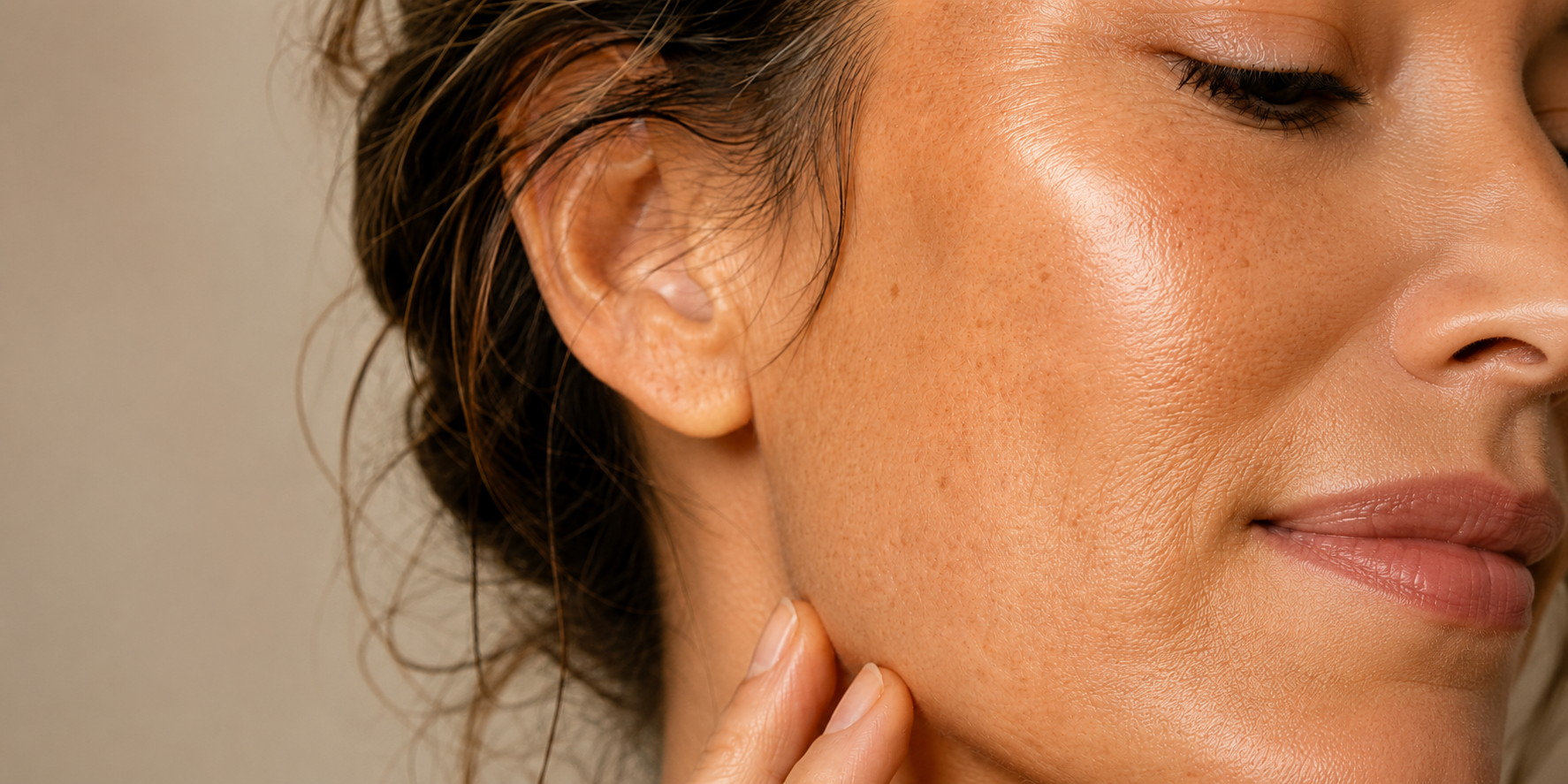
Perimenopause and Skin Changes: What Happens Beneath the Surface
You haven't changed your skincare routine, yet somehow your skin feels different.
Perhaps it has become drier than it used to be. Fine lines seem more noticeable, your complexion doesn't look quite as radiant, or your skin simply feels less firm than it once did. These changes can feel as though they've appeared much more quickly than you expected.
If this sounds familiar, you're not alone.
While gradual skin ageing is a natural part of life, the hormonal changes that occur during perimenopause can accelerate many of these changes over a relatively short period. For many women, this can happen before they even realise they're entering this stage of life.
The good news is that these changes have a biological explanation. Understanding what's happening beneath the surface can help you make informed choices about supporting your skin throughout this transition.
What Is Perimenopause?
Perimenopause is the natural transition leading up to menopause, when hormone levels begin to fluctuate before eventually declining.
Although every woman's experience is different, perimenopause most commonly begins during the 40s, although some women notice changes in their late 30s. This stage may last several years before menopause is reached, which is defined as twelve consecutive months without a menstrual period.
Many people associate perimenopause with symptoms such as hot flushes, night sweats or irregular periods. However, the skin is one of the body's largest hormone-responsive organs, meaning it can also be significantly affected by these hormonal changes.
For many women, skin changes are among the earliest and most noticeable signs that something is changing.
Because estrogen levels fluctuate rather than decline in a straight line during perimenopause, your skin can feel unpredictable. Some weeks it appears healthy and hydrated, while at other times it may suddenly feel dry, sensitive or less resilient.
These changes aren't simply cosmetic. They reflect a series of biological changes occurring beneath the surface of the skin.
Why Does Your Skin Change During Perimenopause?
Your skin is constantly renewing itself.
Deep within the skin are specialised cells called fibroblasts, which produce collagen, elastin and other structural proteins that help maintain firmness, elasticity and hydration.
Throughout much of adult life, there's a careful balance between producing new collagen and breaking down older collagen fibres.
During perimenopause, however, that balance begins to shift.
One of estrogen's many roles is to support the activity of fibroblasts. As estrogen levels begin to fluctuate and gradually decline, these cells receive fewer signals to maintain collagen production. At the same time, your body continues breaking down existing collagen as part of its normal renewal process.
Over time, this gradual imbalance means more collagen is lost than replaced.
Collagen isn't the only part of the skin affected.
Estrogen also plays an important role in supporting skin hydration, elasticity, thickness, blood flow and the skin's natural barrier function. As hormone levels change, these processes can become less efficient, contributing to many of the visible changes women notice during perimenopause.
What Happens Beneath the Surface?
The changes you notice in the mirror begin long before they become visible.
As collagen production slows, the skin's supportive framework gradually becomes less dense. This contributes to reduced firmness and the appearance of fine lines over time.
At the same time, elastin, the protein responsible for helping skin stretch and return to its original shape, also becomes less resilient. The result is skin that may not feel as smooth or supple as it once did.
Hormonal changes can also affect the skin's ability to retain moisture. As hydration levels decline, skin may feel tighter, drier or more sensitive, even if you've been using the same skincare products for years.
The skin's protective barrier can also become less effective, making it easier for moisture to escape and increasing sensitivity to environmental factors.
Together, these changes help explain why many women notice their skin behaving differently during perimenopause. It's not simply a matter of getting older, it's the result of complex hormonal changes influencing the skin's structure and function from within.
Why Does Collagen Decline More Quickly?
Collagen naturally declines as we age, with production gradually slowing from our mid-twenties onwards. However, research suggests the menopause transition represents one of the most significant periods of collagen loss in a woman's life.
This accelerated decline is largely linked to falling estrogen levels. As the hormonal signals that help regulate collagen production become weaker, the skin's support structure changes more rapidly than during normal ageing alone.
Studies have found that women may lose up to 30% of their skin collagen during the first five years after menopause, followed by an ongoing decline of around 2% each year thereafter. While every woman is different, this helps explain why skin changes can sometimes feel as though they've appeared over a relatively short period rather than gradually over many years.
Understanding this process can also be reassuring. If your skin suddenly feels different, it's not because you've done something wrong or your skincare routine has stopped working. In many cases, it's a reflection of the natural hormonal changes occurring beneath the surface.
Can Marine Collagen Help?
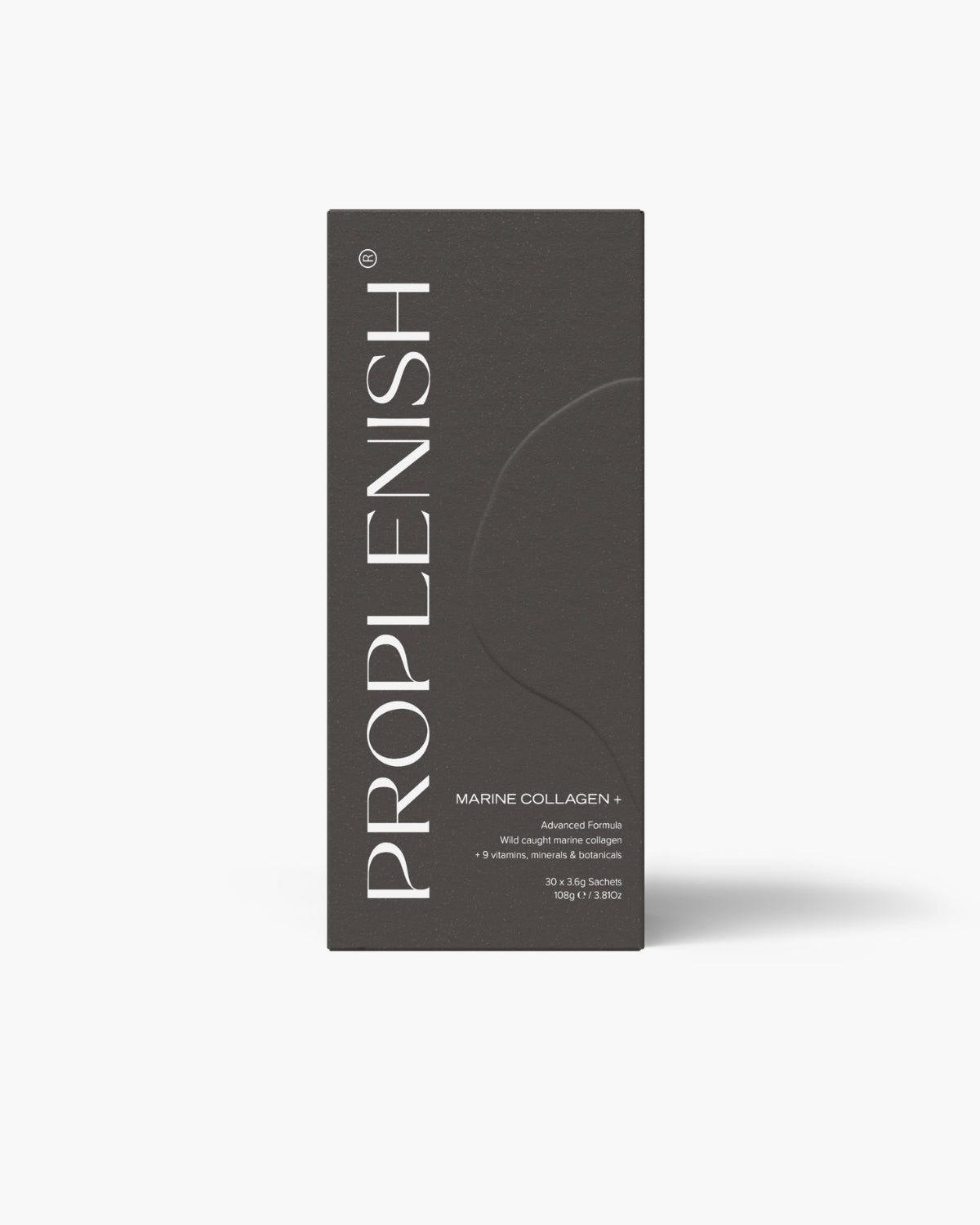
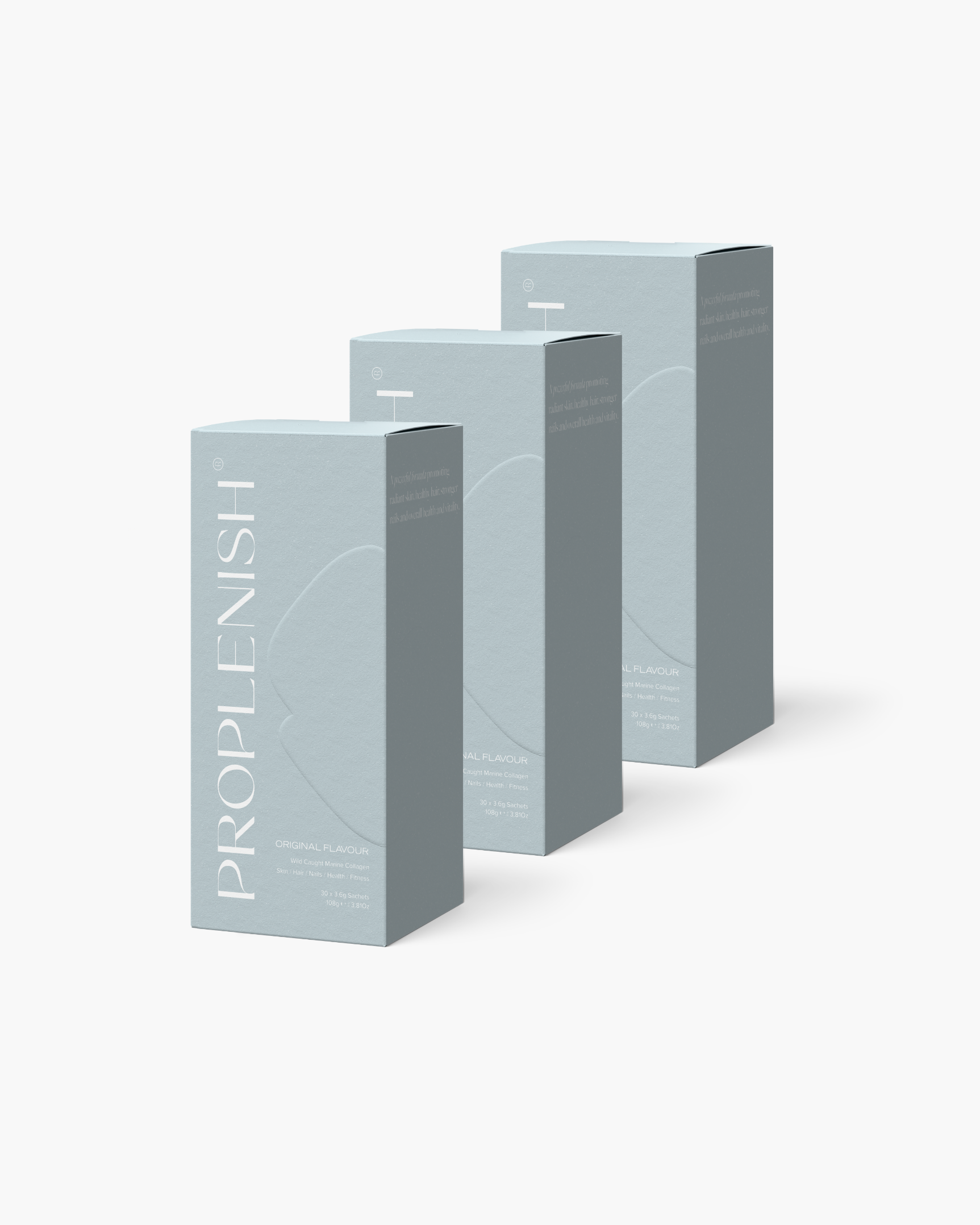
While no supplement can stop the ageing process or replace the role of estrogen, growing research suggests that hydrolysed marine collagen peptides may help support healthy skin during this stage of life.
Once consumed, collagen peptides are broken down into smaller amino acids and bioactive peptides that are absorbed through the digestive system. These peptides are thought to support the skin by providing important building blocks for collagen production and by stimulating fibroblasts, the specialised cells responsible for maintaining the skin's connective tissue.
Clinical studies have reported improvements in skin hydration, elasticity and wrinkle appearance following daily collagen peptide supplementation, particularly when taken consistently over several months.
As with any nutritional intervention, results vary between individuals and marine collagen works best as part of an overall healthy lifestyle rather than as a stand-alone solution.
Supporting Your Skin During Perimenopause
Although hormonal changes cannot be avoided, there are many evidence-based ways to support healthy skin throughout perimenopause.
Eating a balanced diet rich in protein provides the amino acids needed to maintain healthy tissues, while vitamin C plays an essential role in normal collagen formation. Protecting your skin from excessive UV exposure remains one of the most effective ways to help slow premature collagen breakdown.
Regular resistance exercise also supports healthy ageing by helping maintain muscle mass, supporting circulation and contributing to overall wellbeing during midlife. Prioritising good sleep, managing stress where possible and staying well hydrated can further support skin health and recovery.
For women looking to complement these healthy habits, marine collagen may offer additional support as part of a consistent daily routine. Rather than providing an overnight transformation, collagen is best viewed as one component of a long-term approach to supporting healthy skin from within.
Healthy Skin Through Every Stage of Life
Perimenopause is a natural stage of life, but that doesn't mean the changes it brings are always easy to understand.
As hormone levels fluctuate, the skin responds in ways that can feel unfamiliar, from increased dryness and reduced firmness to changes in texture and elasticity. These changes are a normal consequence of shifting biology, not a reflection of poor skincare or simply "getting older."
The encouraging news is that while we can't prevent hormonal changes, we can take positive steps to support our skin throughout the transition. A nutrient-rich diet, regular exercise, sun protection, quality sleep and consistent skincare all play an important role in maintaining healthy skin.
Emerging research also suggests that marine collagen supplementation may help support skin hydration and elasticity, making it a valuable addition to a broader healthy lifestyle.
Understanding what happens beneath the surface empowers women to make informed choices and approach perimenopause with confidence, knowing that healthy skin is about supporting the body from the inside out as well as caring for it on the outside.
Frequently Asked Questions
What is perimenopause?
Perimenopause is the natural transition before menopause, when estrogen and other reproductive hormones begin to fluctuate. It commonly starts during a woman's 40s, although some women experience symptoms earlier.
Can perimenopause cause skin changes?
Yes. Fluctuating estrogen levels can influence collagen production, skin hydration, elasticity and the skin's protective barrier, contributing to changes such as dryness, reduced firmness and fine lines.
Does marine collagen help during perimenopause?
Research suggests hydrolysed collagen peptides may help support skin hydration, elasticity and overall skin health when taken consistently as part of a healthy lifestyle. Individual results will vary, and collagen should not be considered a replacement for medical treatment or hormone therapy where appropriate.
Why does my skin suddenly feel so dry?
During perimenopause, hormonal changes can reduce the skin's ability to retain moisture and maintain its protective barrier, making dryness and increased sensitivity more common.
Is it too early to take collagen in my 30s?
Natural collagen production begins to decline from the mid-twenties, and some women begin experiencing perimenopausal changes in their late 30s. Many people choose to incorporate marine collagen as part of a long-term approach to supporting healthy skin and overall wellbeing.
Scientific References
Thornton MJ. The biological actions of estrogens on skin. Experimental Dermatology. 2002.
Lephart ED. Skin ageing and oxidative stress: Equol's anti-ageing effects via biochemical and molecular mechanisms. Ageing Research Reviews. 2016.
de Miranda RB, Weimer P, Rossi RC. Effects of hydrolyzed collagen supplementation on skin aging: A systematic review and meta-analysis. International Journal of Dermatology. 2021.
Pu SY, et al. Oral collagen supplementation for skin health: A systematic review and meta-analysis. Journal of Cosmetic Dermatology. 2023.
Shin JW, et al. The characteristics of skin physiological parameters and facial ageing according to the degree of skin ageing in middle-aged women. Skin Research and Technology. 2019.