







Is Your Workout Recovery Slowing Down? How Marine Collagen Supports Active Bodies
Whether you're lifting weights, enjoying a morning walk, playing tennis or training for your next event, recovery is an essential part of staying active.
While it's normal to feel some muscle soreness after exercise, many people notice that recovery seems to take longer as they get older. Stiff joints, lingering aches and slower recovery between workouts are common changes, even if you're maintaining the same level of activity.
One reason is that the body naturally becomes less efficient at repairing and maintaining connective tissues over time. This is where marine collagen for workout recovery has become an area of growing scientific interest.
Although collagen is often associated with healthy skin, it is actually the most abundant protein in the human body. It provides the structural framework for tendons, ligaments, cartilage, bones and muscles, helping them withstand the repeated stresses of everyday movement and exercise. As natural collagen production gradually declines with age, providing the body with the building blocks it needs to maintain these tissues may become increasingly important.¹
Why Recovery Changes With Age
Every workout places small amounts of stress on your body.
This is a positive process because it's how muscles and connective tissues adapt, becoming stronger over time. Between workouts, your body repairs this microscopic damage so you're ready for your next training session.
As we age, however, this repair process naturally becomes less efficient. Collagen production gradually declines from our mid-twenties onwards, while tendons and ligaments also tend to receive less blood flow than muscles. Together, these changes may contribute to slower recovery and increased stiffness following exercise.¹
Of course, recovery depends on many factors, including sleep, nutrition, hydration and training load. Marine collagen isn't a replacement for these foundations, but it may help provide the specialised amino acids required to support healthy connective tissue alongside an active lifestyle.
What Makes Marine Collagen Different?
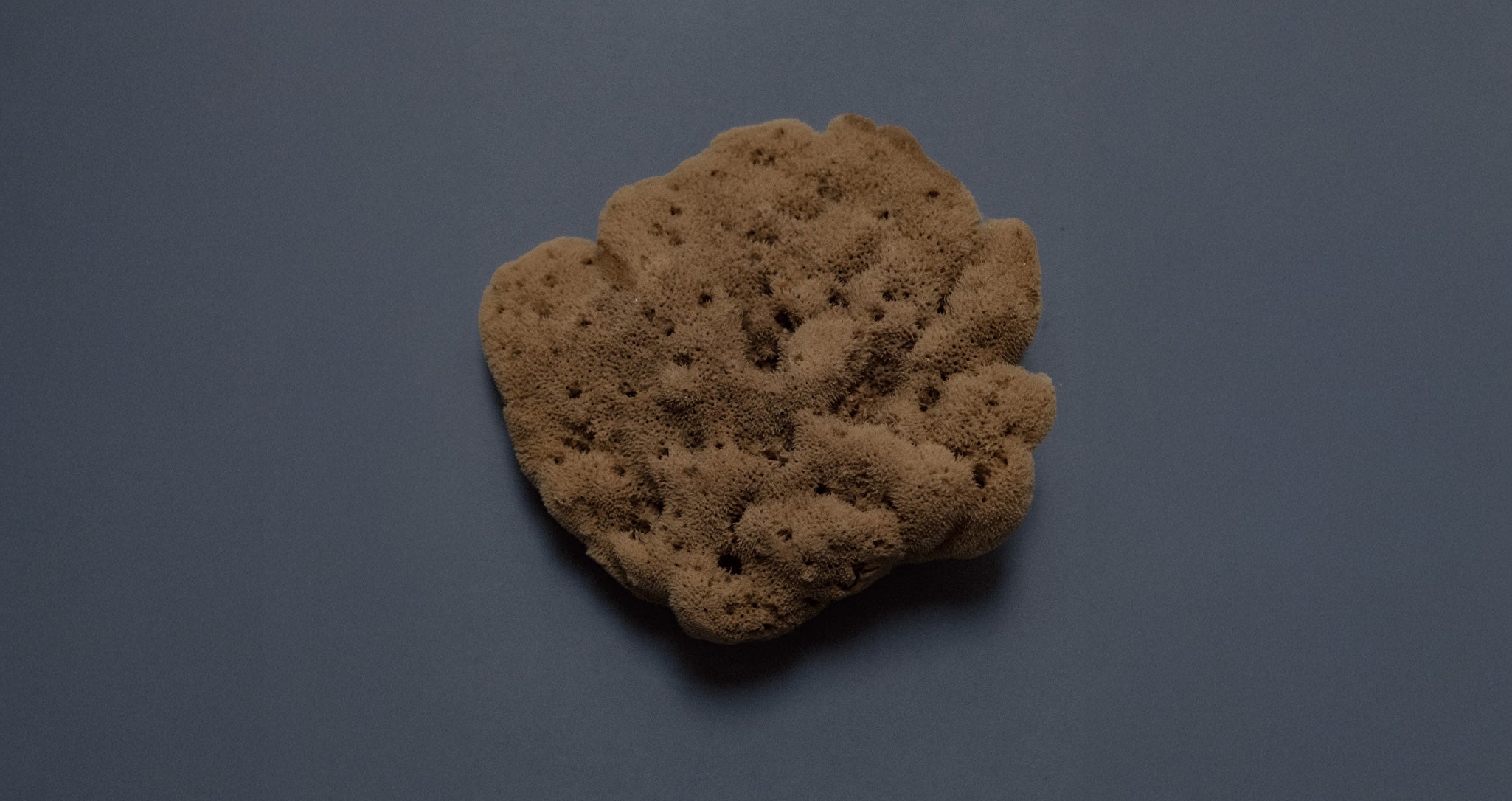
Unlike proteins such as whey, which are designed primarily to support muscle protein synthesis, marine collagen has a unique amino acid profile that's naturally rich in glycine, proline and hydroxyproline. These amino acids are the key building blocks of collagen, the protein that gives strength and structure to connective tissues throughout the body.
This is why collagen has attracted attention from researchers studying exercise recovery.
While muscles generate movement, it's your tendons, ligaments and cartilage that absorb and transfer the forces created by every squat, run, jump and tennis serve. Keeping these tissues healthy is essential for long-term movement and may become increasingly important as we age.
What Does the Research Say?
Research into collagen supplementation has grown rapidly over the past decade, with several recent reviews bringing together the findings from multiple clinical studies.
A 2024 systematic review and meta-analysis published in Sports Medicine found that collagen peptide supplementation, when combined with regular exercise, may support functional recovery, tendon adaptation and improvements in strength. The researchers concluded that collagen appears to assist the remodelling of connective tissues exposed to repeated mechanical loading during exercise.¹
Another 2024 review published in Nutrients examined studies investigating collagen supplementation and exercise-induced muscle damage. The authors reported encouraging evidence that collagen peptides may support recovery following strenuous exercise and help reduce markers associated with muscle stress. They also noted that further high-quality research will continue to strengthen our understanding of how collagen can best support active individuals.²
While no supplement can replace good training habits, these findings suggest marine collagen may become a valuable addition to a balanced recovery routine that also includes regular exercise, quality sleep and nutritious food.
Supporting Your Recovery Every Day
Recovery isn't only about what happens immediately after a workout.
It's the result of the small choices you make consistently over time, from staying active and eating a balanced diet to prioritising sleep and allowing your body adequate time to recover.
For those looking to support healthy connective tissues, hydrolysed marine collagen offers a simple addition to this routine. Because it's virtually tasteless and dissolves easily, it can be stirred into coffee, smoothies, yoghurt or water, making it easy to enjoy every day.
Many clinical studies investigating exercise recovery were generally assessed after several weeks of consistent supplementation rather than occasional use.¹
Stay Active for the Long Run
Whether your goal is improving your performance, enjoying weekend sport or simply maintaining an active lifestyle as you get older, recovery deserves just as much attention as training itself.
Emerging research suggests that marine collagen for workout recovery may help support the connective tissues that keep your body moving comfortably, particularly when combined with regular exercise and a healthy lifestyle. While research continues to evolve, current evidence indicates that collagen peptides may play a valuable role in supporting tissue repair and adaptation over time.
Looking after your recovery today may help you continue doing the activities you love for years to come.
Frequently Asked Questions
Is marine collagen good for workout recovery?
Emerging research suggests that marine collagen peptides may help support the health of connective tissues such as tendons, ligaments and cartilage, particularly when combined with regular exercise. Recent studies have also reported improvements in functional recovery and markers of musculoskeletal health, although further research is still underway.¹
Is marine collagen the same as whey protein?
No. While both are valuable sources of protein, they serve different purposes. Whey protein contains all of the essential amino acids needed to support muscle protein synthesis, making it popular after resistance training. Marine collagen has a different amino acid profile, providing high levels of glycine, proline and hydroxyproline, the amino acids that help build and maintain collagen-rich connective tissues throughout the body. Many active people choose to include both as part of a balanced nutrition plan.¹
How long does marine collagen take to work?
Collagen doesn't work overnight. Most clinical studies investigating exercise recovery have assessed daily collagen supplementation over 8 to 12 weeks, alongside regular exercise. As with any nutritional supplement, individual results will vary depending on factors such as age, diet, activity level and overall health.¹
Scientific References
1. Bischof K, et al. Impact of Collagen Peptide Supplementation in Combination with Long-Term Physical Training on Strength, Musculotendinous Remodelling, Functional Recovery, and Body Composition in Healthy Adults: A Systematic Review and Meta-analysis. Sports Medicine. 2024. https://doi.org/10.1007/s40279-024-02079-0
2. Inácio PAQ, et al. The Effects of Collagen Peptides as a Dietary Supplement on Muscle Damage Recovery and Fatigue Responses: An Integrative Review. Nutrients. 2024. https://doi.org/10.3390/nu16193403