







Dry Skin in Winter: Why Moisturising Isn't Always Enough
Dry skin in winter is something many people experience, even when they're using a good moisturiser every day. If your skin still feels tight, flaky or uncomfortable despite your skincare routine, you're not imagining it.
If this sounds familiar, you're not alone.
Winter creates the perfect conditions for dehydration. Cold outdoor air, indoor heating and lower humidity all work together to draw moisture from your skin. While a good moisturiser helps protect the skin's surface, it may not be enough on its own to address the underlying causes of winter dehydration.
Understanding why your skin changes during winter can help you choose a skincare routine that supports hydration from both the outside and the inside.
Why does skin become dehydrated in winter?
Dry skin in winter is usually caused by a combination of cold temperatures, lower humidity and indoor heating, all of which reduce your skin's ability to retain moisture.
Several seasonal factors contribute to moisture loss:
+ Cold outdoor temperatures reduce humidity levels.
+ Indoor heating removes moisture from the air.
+ Hot showers strip away the skin's natural oils.
+ Wind increases water loss from the skin's surface.
+ Ageing naturally slows the skin's ability to retain moisture.
As this protective barrier weakens, more water escapes through a process known as transepidermal water loss (TEWL). The result is skin that feels dry, rough, tight and less radiant.
Dry skin and dehydrated skin are not the same thing
These two terms are often used interchangeably, but they describe different concerns.
Dry skin is a skin type that produces less oil than normal.
Dehydrated skin is a temporary condition where the skin lacks water, regardless of whether your skin is naturally dry, oily or combination.
This means even people with oily skin can experience dehydration during winter.
Common signs of dehydrated skin include:
+ Tightness after cleansing+
+ Fine dehydration lines
+ Dull or tired-looking skin
+ Rough texture
+ Increased sensitivity
+ Makeup sitting unevenly
+ Skin that feels thirsty despite applying moisturiser
Why moisturiser alone may not solve the problem
If you're struggling with dry skin in winter, applying more moisturiser isn't always the complete answer.
However, they primarily work on the outermost layer of the skin.
If your skin barrier has already been compromised by winter conditions, or your skin is struggling to retain moisture naturally, simply adding more moisturiser may not completely resolve the issue.
Think of it like watering a garden. If the soil underneath is dry and depleted, watering the surface alone won't always restore healthy growth.
Supporting your skin from multiple angles often produces the best results.
The role collagen plays in healthy-looking skin
Collagen is the most abundant protein in the skin and provides much of its structure, strength and resilience.
From our mid-twenties onwards, natural collagen production gradually begins to decline. As collagen levels decrease, skin may become:
+ Less firm
+ Less elastic
+ More prone to dehydration
+ Slower to recover from environmental stress
+ More likely to develop fine lines
While collagen isn't a moisturiser, healthy collagen structures help support the skin's overall integrity and its ability to maintain hydration.
This is one reason why many people notice their skin feels drier during winter as they get older.
Can marine collagen help support skin hydration?
Hydrolysed marine collagen peptides have become one of the most researched forms of collagen supplementation for skin health.
Because the collagen has been broken down into smaller peptides, it is designed for efficient digestion and absorption.
Research suggests collagen supplementation may help support:
+ Skin hydration
+ Skin elasticity
+ Skin smoothness
+ Skin firmness
+ Overall skin appearance
Rather than replacing your skincare routine, marine collagen works alongside it by supporting the skin from within.
Simple habits that help improve skin hydration in winter
Alongside a consistent collagen routine, a few small changes can make a noticeable difference to your skin.
1. Avoid very hot showers
Long, hot showers feel wonderful in winter but can remove the natural oils that help protect your skin barrier. Opt for warm rather than very hot water whenever possible.
2. Apply moisturiser while your skin is still slightly damp
Applying moisturiser immediately after cleansing helps lock in water before it evaporates. Look for products containing ingredients such as ceramides, hyaluronic acid or glycerin.
3. Stay hydrated
While drinking more water won't instantly fix dry skin, adequate hydration supports your body's normal functions, including healthy skin.
4. Support your skin from within
Topical skincare protects the outside of your skin, while nutrition supports the body that builds it. A balanced diet rich in protein, vitamin C and antioxidants, together with a quality marine collagen supplement, can become part of a comprehensive winter skincare routine.
5. Be consistent
Healthy skin doesn't usually change overnight. Just as your skincare routine delivers its best results with regular use, collagen is designed to be taken consistently as part of your daily routine.
Your winter glow starts beneath the surface
Dry skin in winter doesn't have to be something you simply put up with.
Understanding the causes of skin hydration in winter allows you to take a more complete approach. Protecting your skin barrier with quality skincare, avoiding habits that increase moisture loss and supporting your skin from within can all work together to help your complexion look healthier throughout the colder months.
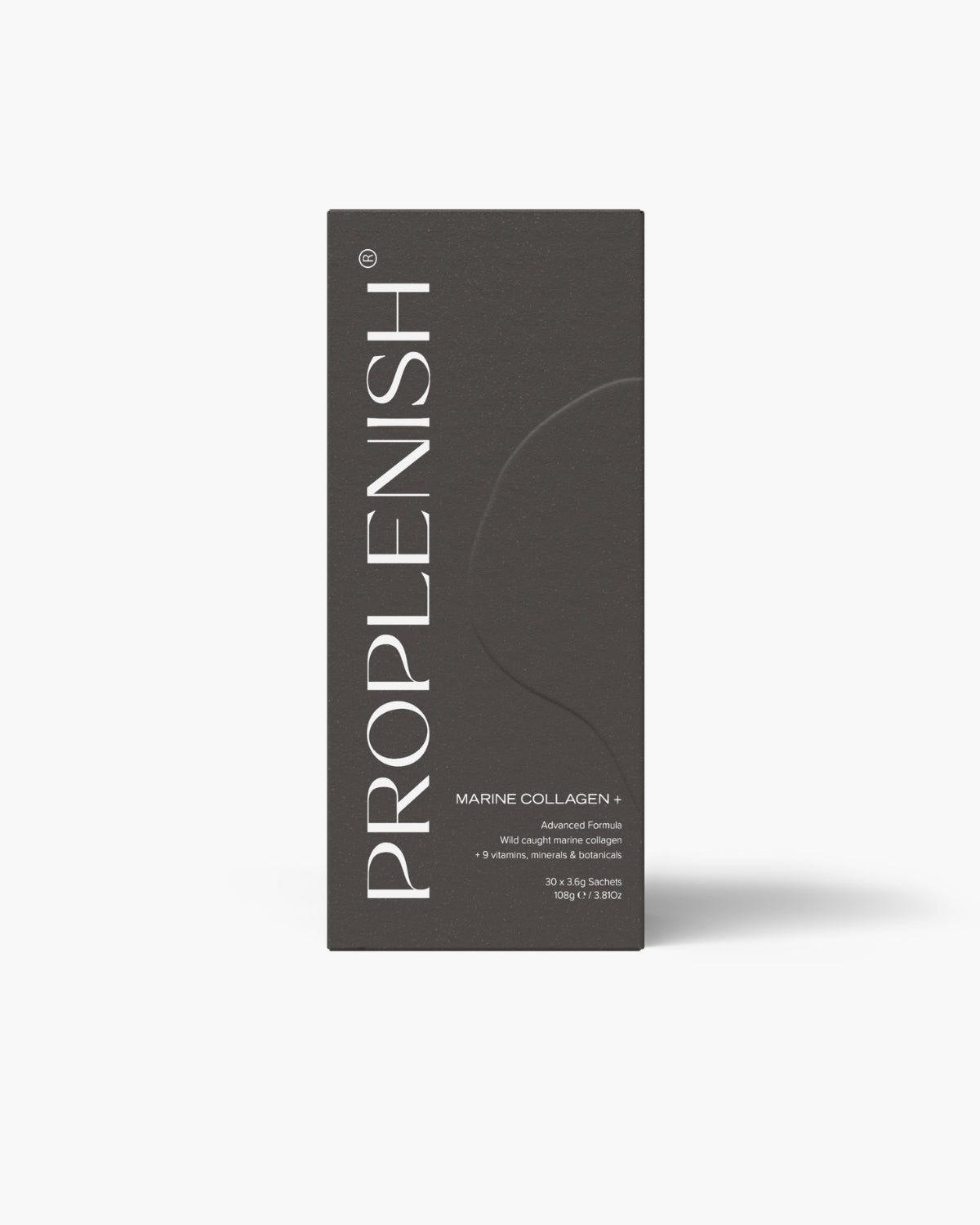
At ProPlenish, we've believed in the power of premium marine collagen since 2010. Our 100% pure hydrolysed marine collagen peptides are designed to fit effortlessly into your everyday routine, supporting healthy-looking skin from within, all year round.
FREQUENTLY ASKED QUESTIONS
Why does my skin feel dry even after applying moisturiser?
Moisturisers help reduce moisture loss from the skin's surface, but winter weather, indoor heating and a weakened skin barrier can still contribute to dehydration. Supporting your skin through consistent skincare, healthy nutrition and marine collagen supplementation may provide a more comprehensive approach.
Can oily skin become dehydrated?
Yes. Oily skin can still lack water, particularly during winter. Dehydrated skin is a condition rather than a skin type.
How long does it take to notice results from marine collagen?
The time frame in which results can be seen can sometimes vary due to the level of ageing and condition of a persons skin, hair and nails. Scientific research on daily collagen intake and general feedback from our customers is that changes can be seen and felt from 4-6 weeks onwards.
Should I stop using moisturiser if I take collagen?
No. Marine collagen and moisturisers work differently. Moisturisers help protect the skin barrier externally, while collagen supports the body's natural collagen structures from within. They complement each other as part of a balanced skincare routine.